
Creating a podcast is a powerful way to share ideas, engage with your audience, and, in some cases, generate revenue. Here are tips gathered from Thomas Rozec, editor-in-chief and host of “Programme B”, and Laetitia Vitaud, co-founder of “Nouveau Départ, the media of crisis and transition”.
1. Getting Started: Passion and Commitment
As Thomas Rozec points out, the idea for “Programme B” came from the desire to follow news independently. You need to have a passion for the topic you will cover, as creating a podcast requires time and effort.
2. Using “I”: A Matter of Style
Is it necessary to use the first person in a journalistic podcast? Specialist in the “economy of passion,” Laetitia Vitaud notes that it is essential to be able to speak as an individual. Podcast creators need to have a distinctive voice and a clear identity to stand out and attract a loyal audience.
For Thomas Rozec, the answer depends on the style you want to adopt. Some journalists prefer a more personal approach to connect with their audience, while others prefer to remain neutral. It is important to choose a style that matches your identity as a journalist and the objective of your podcast.
3. Investing in Sound Quality
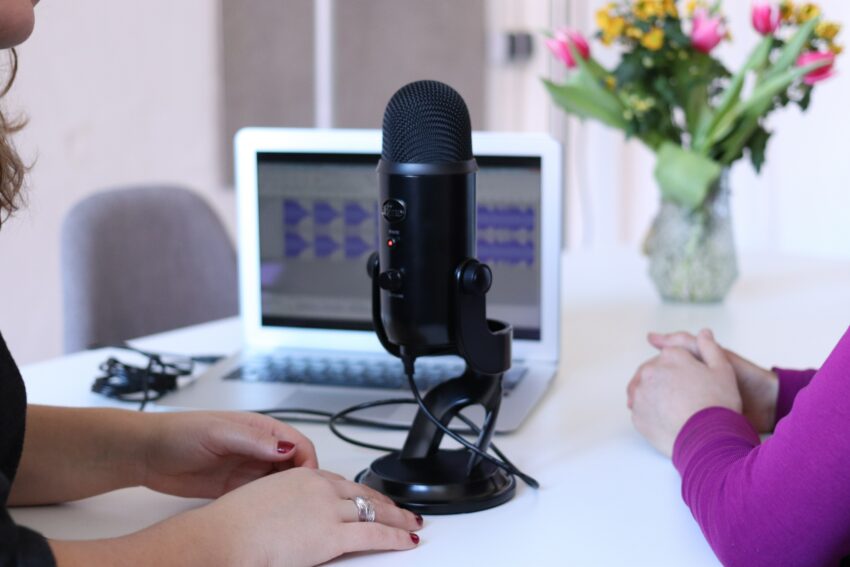
The audience, now accustomed to professional podcasts, expects good audio quality. Investing in good audio equipment and taking the time to learn how to use it properly can make a big difference in the quality of your content. Essential elements include:
- Microphone: Choose a professional-quality microphone, such as a Zoom or a portable studio like Rodecaster.
- Headphones: Use quality headphones to monitor your recording in real time and detect sound issues. Opt for closed-back headphones to reduce surrounding noise during recording.
- Recording and editing software: Choose audio recording and editing software that suits your needs. Popular options include Adobe Audition, Audacity, Reaper, and GarageBand (for Mac users).
4. Time Commitment: Planning and Consistency
The question of how much time to dedicate to creating a podcast is crucial. As Thomas Rozec mentioned, “Programme B” became a daily show. However, the publication frequency depends on your resources and goals. It is essential to plan and maintain consistency in publishing your episodes to build a loyal audience.
5. Defining Your Editorial Line: Engaged, Not Necessarily Activist
The editorial line is the cornerstone of your podcast. As Thomas Rozec explains, he adopts an approach focused on socially engaged topics without being activist. It is essential to clearly define the themes you will cover, the tone you will adopt, and the angle you will choose. Your editorial line should reflect your journalistic identity and values.
6. Representing Information Without Echo Chambers
One of the challenges of podcast creation is presenting information while avoiding excessive commentary or echo chambers. A podcast allows a return to the fundamentals of radio, such as giving time to guests and exploring more intimate topics. It is important to find the right balance between engaging storytelling and objective analysis.
7. The Newsletter as a Support Tool
The success of a media project such as “Nouveau Départ,” Laetitia Vitaud’s media outlet, relies on subscriptions from part of the audience. “Nouveau Départ” is a newsletter offering exclusive content to subscribers, particularly the “A Deux Voix” podcast. This approach allows direct interaction with the audience and creates a more personal relationship, unlike anonymous comments on other platforms.
Creating a podcast requires time, planning, and reflection. Remember to stay true to your passion for information and develop a unique editorial line that will captivate your audience. Podcasting offers a fascinating space to explore new perspectives and journalistic territories, so don’t hesitate to explore and innovate while maintaining impeccable journalistic ethics.